
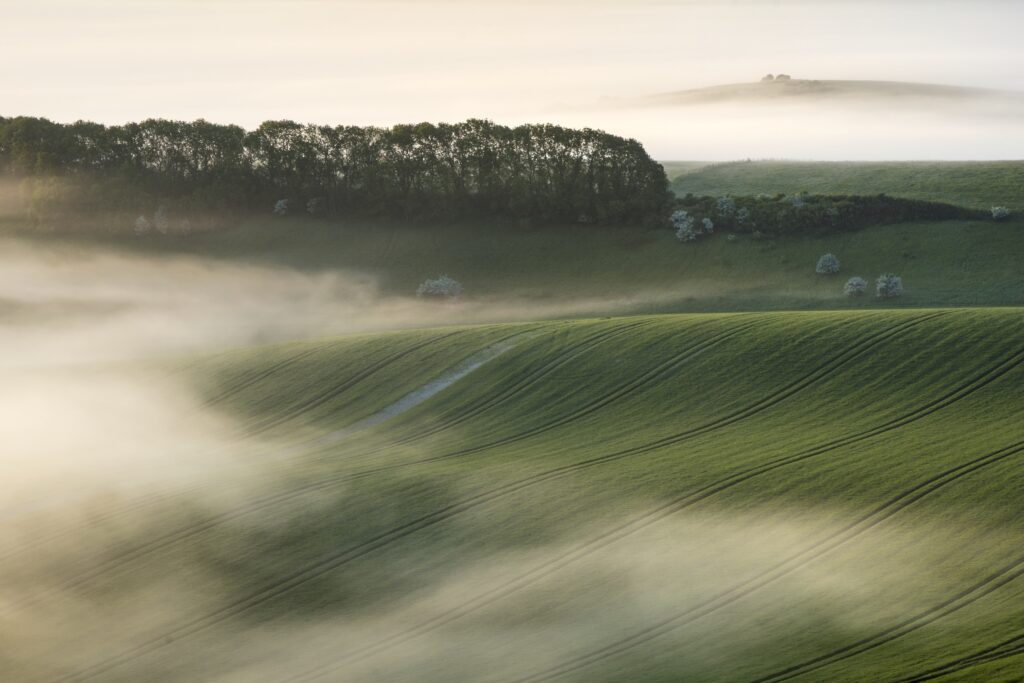
As one of the wettest and greyest winters in UK history finally departs, I’m sure I’m not alone in my yearning for a little more colour, warmth and sunlight in my life. My local landscape, the South Downs National Park, has been stuck in a kind of muted dystopia since Christmas: muddy, indistinct and uninspiring. Hooray then for the sugar rush of spring and the joy of noticing every little bud, bloom and burst of colour as the hills and woodland return to life. However, this seasonal change can arrive quickly, and if you don’t pay attention, it may be gone before you have a chance to get out and see it all.
Over the years I’ve found that the most enjoyable approach is to concentrate on areas close to home. I can visit these areas multiple times over the days and weeks, keeping track of the transition out of winter, photographing the small changes as they occur and trying to catch the best of the season’s colour before summer comes wandering over the horizon.
I minimise travel time and maximise time in the landscape, giving myself the best chance to be in the right place at the right time, as well as having the opportunity to experiment with ideas and finesse compositions. Ultimately, many of the pictures I’ve made close to home in spring have been some of the most enduring and popular at my gallery and really seem to resonate with an audience who share my love of the South Downs.
It can feel challenging to find something new amid the close and the familiar, but there’s a huge variety of photographic inspiration right on your doorstep, and spring is the perfect time to discover it all.
Finn’s tips for local landscape success
1 Find a local area you like the feeling of, visit often, and really try to deepen your knowledge of that one location.
2 Try to look at a favourite location from a different angle, or at a different time of day. Take advantage of being able to visit frequently and take pictures that go beyond the obvious.
3 Pay attention to all the details in your local area. What are the trees doing? How is the light changing? What are the elements that make this place particularly interesting to you that others may not notice?
4 Work out the best way to get to a favourite location. Keep a short list of local places and ideas for different times of day. Know where to head when it’s misty, rainy or sunny.
5 Keep an eye on how things are changing week by week and be ready to catch this at its peak. Spring can arrive in a hurry and be gone before you know it.
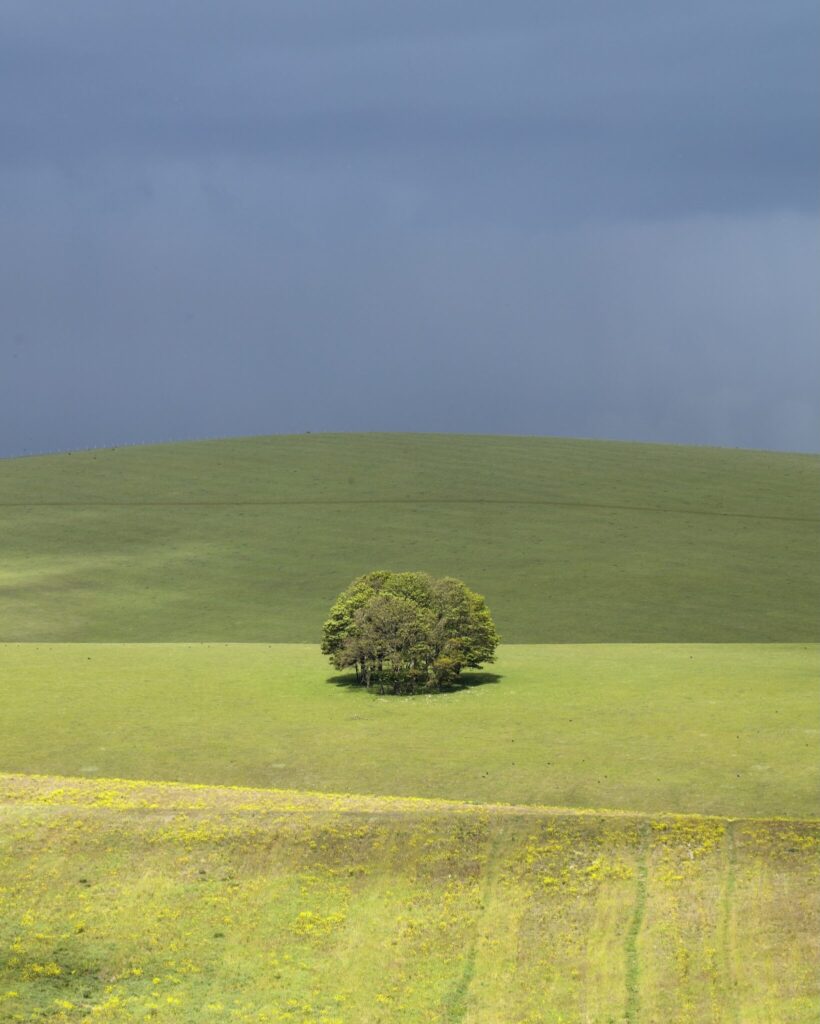
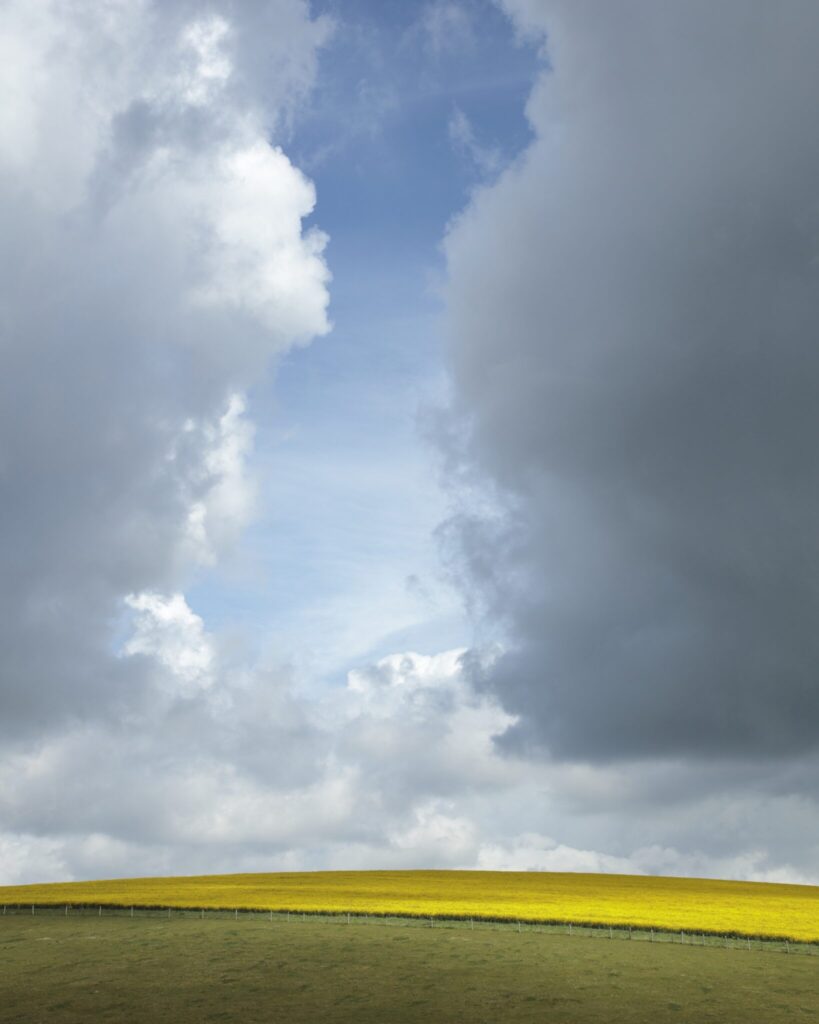
6 Look for interesting contrasts. Find the places where colours collide, textures clash and interesting change is happening.
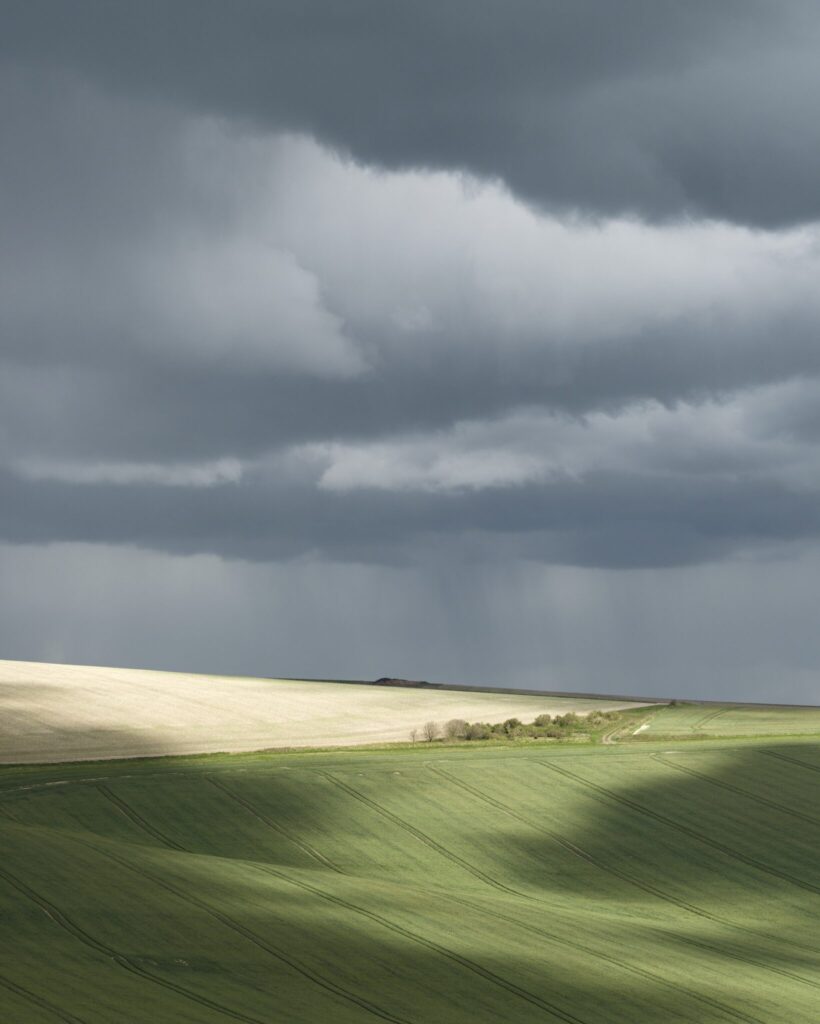
7 Pay close attention to weather patterns and forecasts. Visualise how these different weathers may affect the landscape and think about getting ahead of the weather to be in the right place when it arrives.
8 Get a map and find local places you’ve overlooked. Choose an unexplored path and make a point of visiting it. You may find something wonderful on your doorstep.
9 Give yourself time. Shooting locally can give you the best chance of visiting a few locations in one day or moving quickly to take advantage of changing light or weather.
10 Try walking or cycling more often in your local area. The change of pace and the freedom this provides will open a world of opportunities and ideas, as well as minimising your impact on the environment.
Read Finn’s full, in-depth article in OP 329, and see more of his work here.