
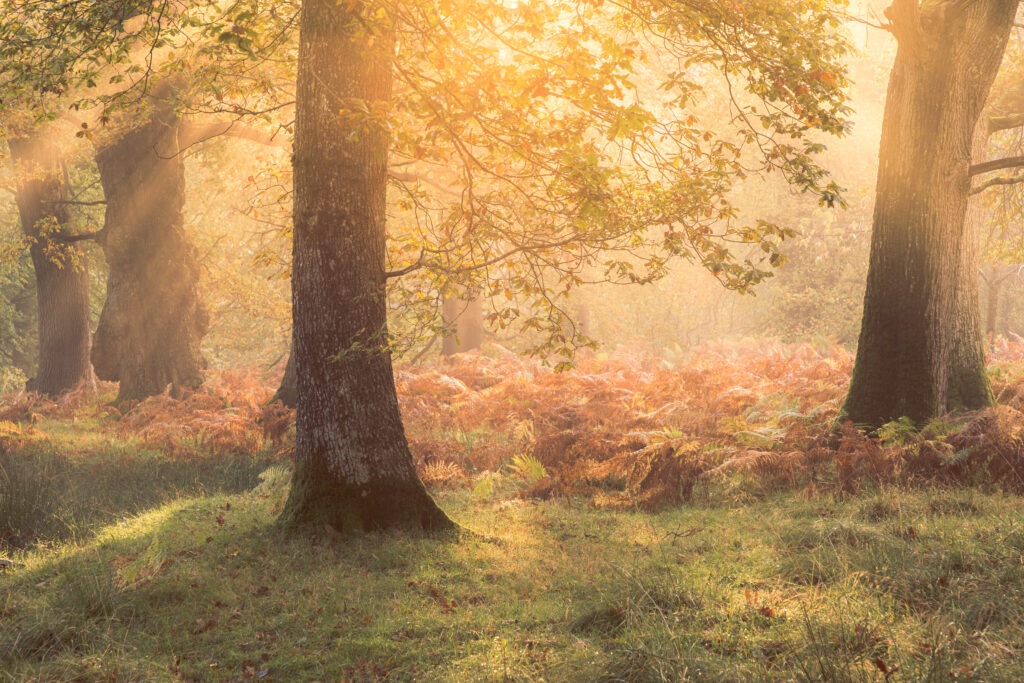
Where would we be without light? Well, I wouldn’t be here to write this article, that’s for sure. Light gives us all life here on Earth, and this is just one of the many reasons I enjoy creating photographs of the landscape – it’s my way of showing my respect and reverence for the great spirit of nature. As photographers, we’ll spend our lives working with light, and sometimes even battling against it in an attempt to improve our craft and perhaps one day reach a place of mastery.
There are so many ways to use light and so many different types and colours of light. Think about the colour of golden hour light at sunrise compared to the harsh white light on a summer’s day or the soft pastel colours during the twilight hours. All these varying colours of light interact in different ways with the colours of the landscape, completely transforming its appearance.
Our primary job is to become fluent in the secret language of light, so we can allow our intuition and creative instincts to lead us to the places where the most meaningful photographs wait patiently to reveal themselves. When we allow the light to lead us, rather than applying a thought-driven formulaic approach to the art of photography, we often notice significant improvements in our photography. This has certainly been the case for me and many of the people I work with. Our hearts react to the light in mystical, unexplainable ways, and it’s the heartfelt photographs that usually leave the deepest mark on people.
10 tips for understanding light
1 Go outdoors without your camera from time to time and pay attention to the light. How does it interact with different subjects? How does it move across the landscape?
2 Find a subject of interest that’s catching the light. Walk around it and notice how the light changes as you move around. Look at it with the sun behind you and again with the sun in front of you. Get down low, then look from above. Which style of light are you most drawn to?
3 Revisit the same places time and again. Go there through all seasons, at different times of day, and scout, scout, scout. You’ll quickly build up a deep understanding of light and how it behaves in your chosen landscape.
4 Practise simply noticing the light throughout your daily life. See how it falls through the curtains in your home and how it reflects off distant windows on the hillside at sunset. Our vision is developing even without the camera in our hands.
5 Timing is key when it comes to working with light. Often the best light is momentary, so you must be present and attuned to the landscape to ensure you don’t miss the moment.
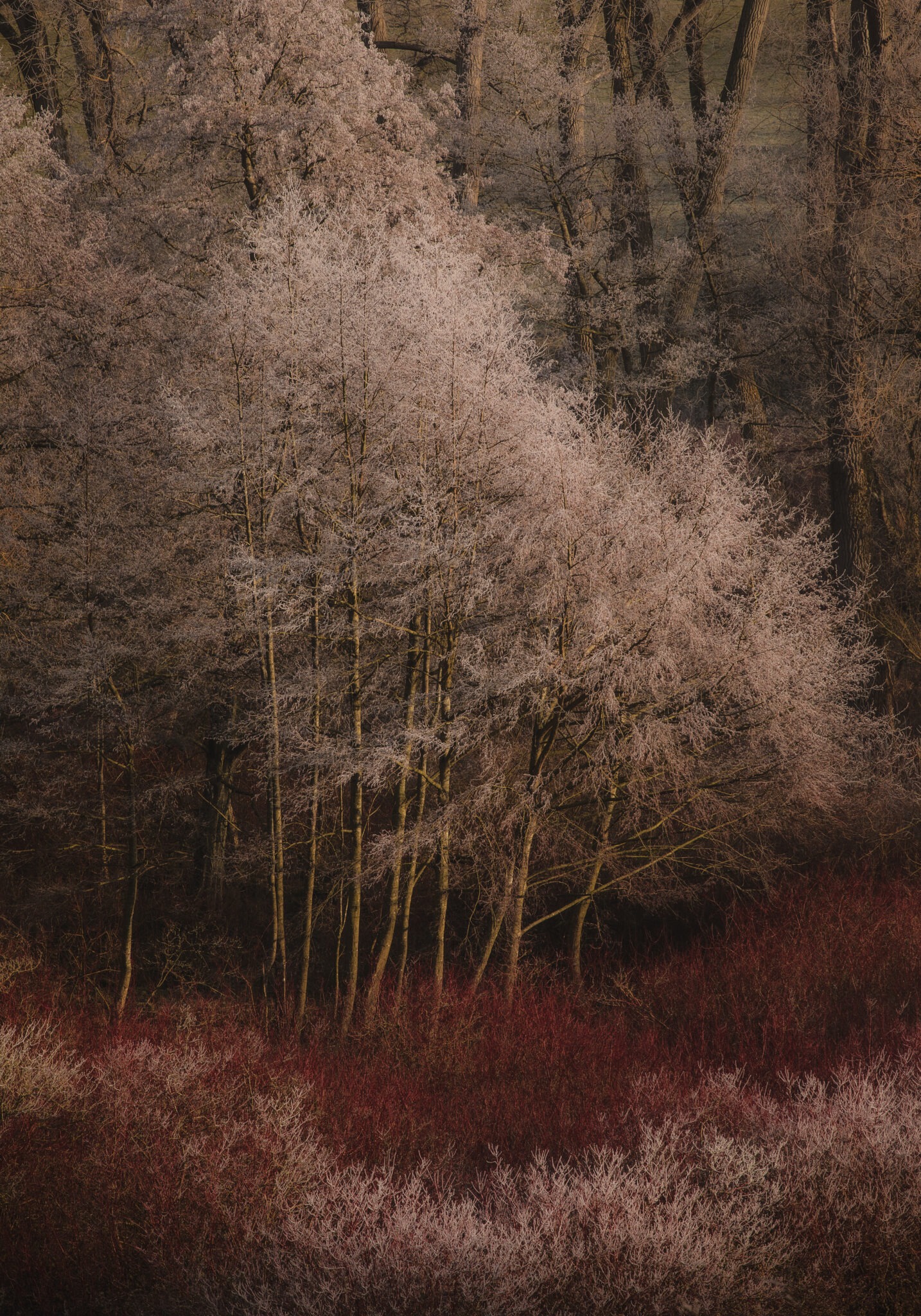
6 Get in touch with your intuition. Practise being present with the landscape and allowing the light to guide you.
7 Break the rules. I heard of an unwritten rule once that stated you should always shoot with the sun over your shoulder, so it lights a landscape evenly. I don’t buy into that advice, and most of my photographs go against it. The rules are there to be broken.
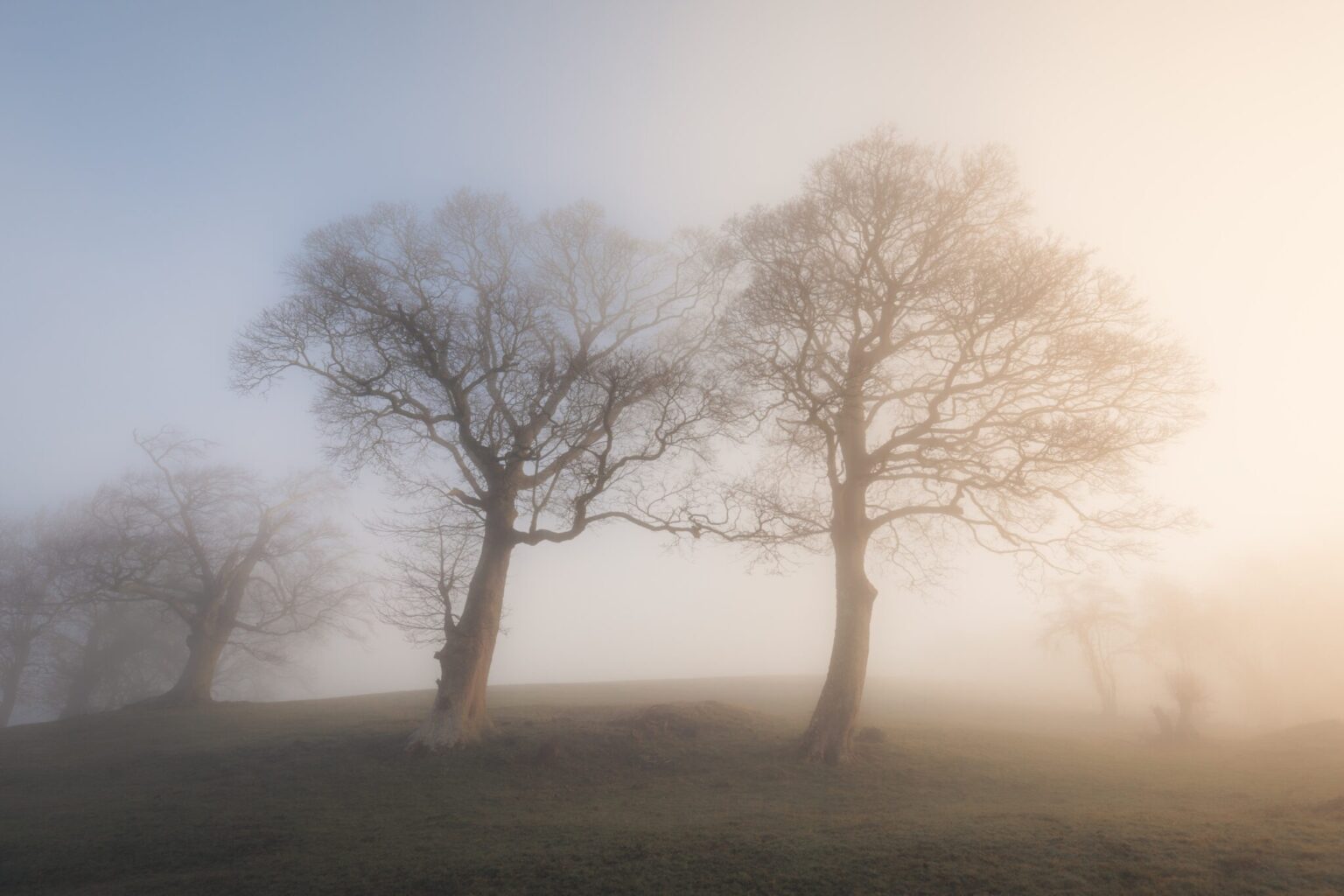
8 Experiment with different types of light. Get above it and below it. Shoot with it in front of you, over your shoulder, and with it illuminating the scene through the morning fog. Be open to all possibilities and you’ll eventually develop your own ways of working with light.
9 Get out before sunrise and stay out after the sun has set. Often the best light can be found in these quiet hours before the world has woken up, or after the last light.
10 Small adjustments to tripod height, focal length and lateral lens movement can make a big difference to the resulting image.
Read Brad’s full feature on understanding light in OP 335, in shops now and available to order here.
See more of Brad’s work at bradcarr.com.