
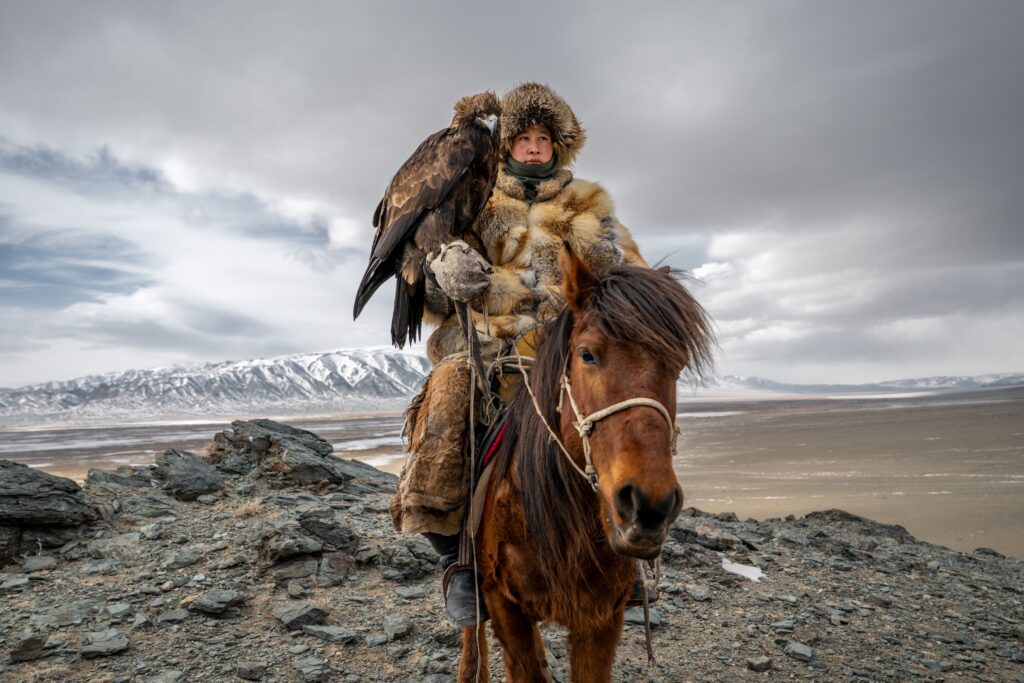
Claire Thomas has photographed some of the most important stories of our times, from the refugee crisis in Europe to the battle against ISIS in Iraq, contributing her images to leading publications such as the New York Times, the Sunday Times and National Geographic. Her deep interest in humanity, and in particular people’s relationship with the natural word, has taken her time and again to western Mongolia, where she has built a body of work documenting the lives of Kazakh herders and eagle hunters.
You grew up in a village near Carmarthenshire. What led you from the Welsh valleys to the dramatic landscapes of Mongolia?
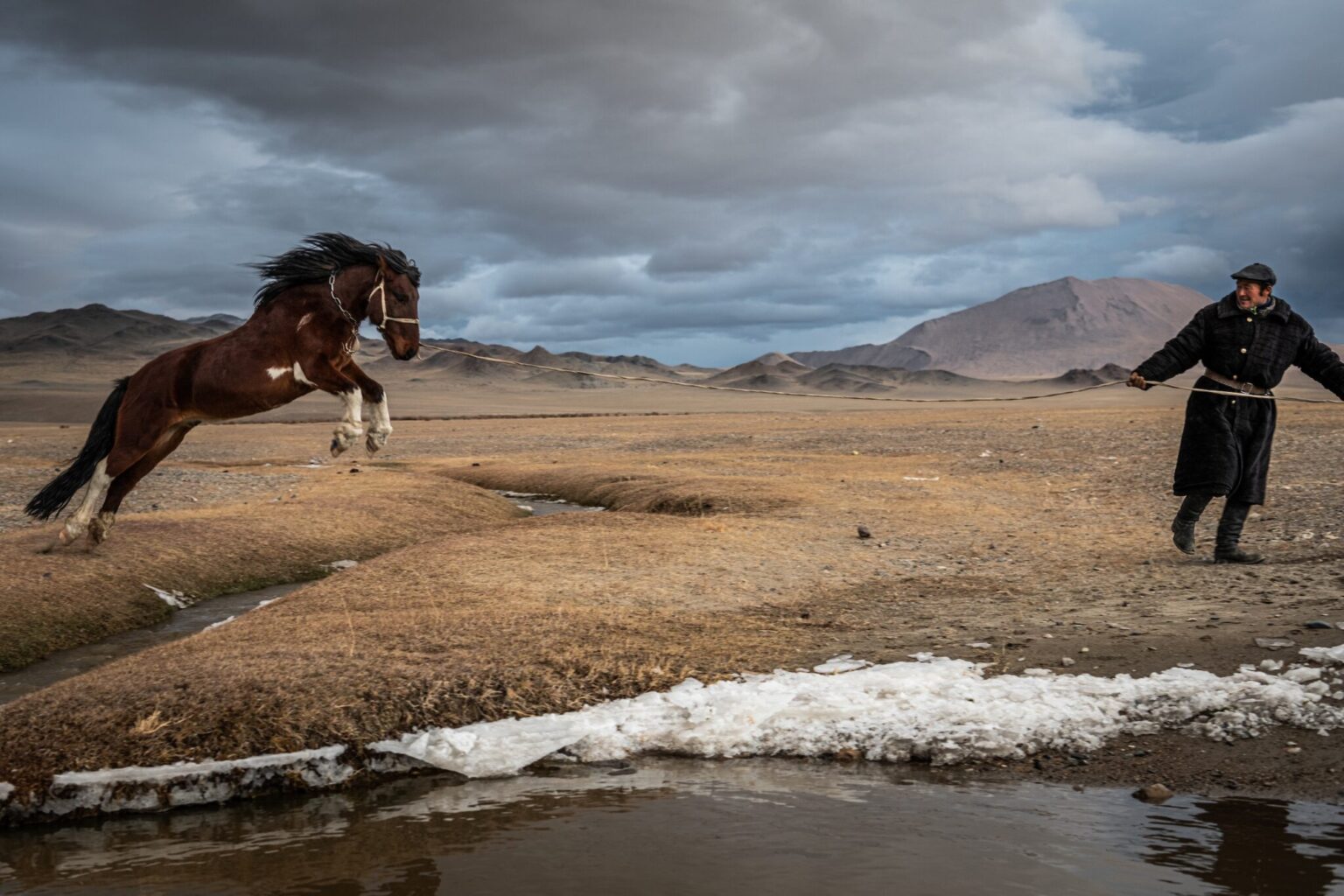
Growing up riding horses in rural Wales shaped so much of my life, but for me horses were a passion – something I was fortunate to have, not something essential. I’d long been curious about cultures where horses aren’t a luxury but a lifeline. That curiosity, and a lifelong love of horses, is what first drew me from Wales to Mongolia. I wanted to learn from communities where horses are central to daily life, work and identity. In the Altai, I found exactly that.
Can you tell us about the technical and creative challenges you had to overcome in such a wild and remote region?
The extreme weather poses the biggest technical challenges – at -30°C, batteries drain quickly, so keeping cameras warm and charged becomes a constant task. Moving between sub-zero temperatures outside and the warmth of gers [yurts] heated by stoves can also cause condensation inside the camera, clouding the lens and fogging the sensor. The only real solution is patience: letting the equipment acclimatise and being prepared. Light can be difficult too, ranging from harsh midday sun to the dim glow inside homes, so being able to adjust exposure quickly and instinctively is essential. Creatively, the challenge is capturing intimate moments without disrupting them. Building trust, slowing down and spending time without the camera allows scenes to unfold naturally and keeps the work grounded in honesty and respect.
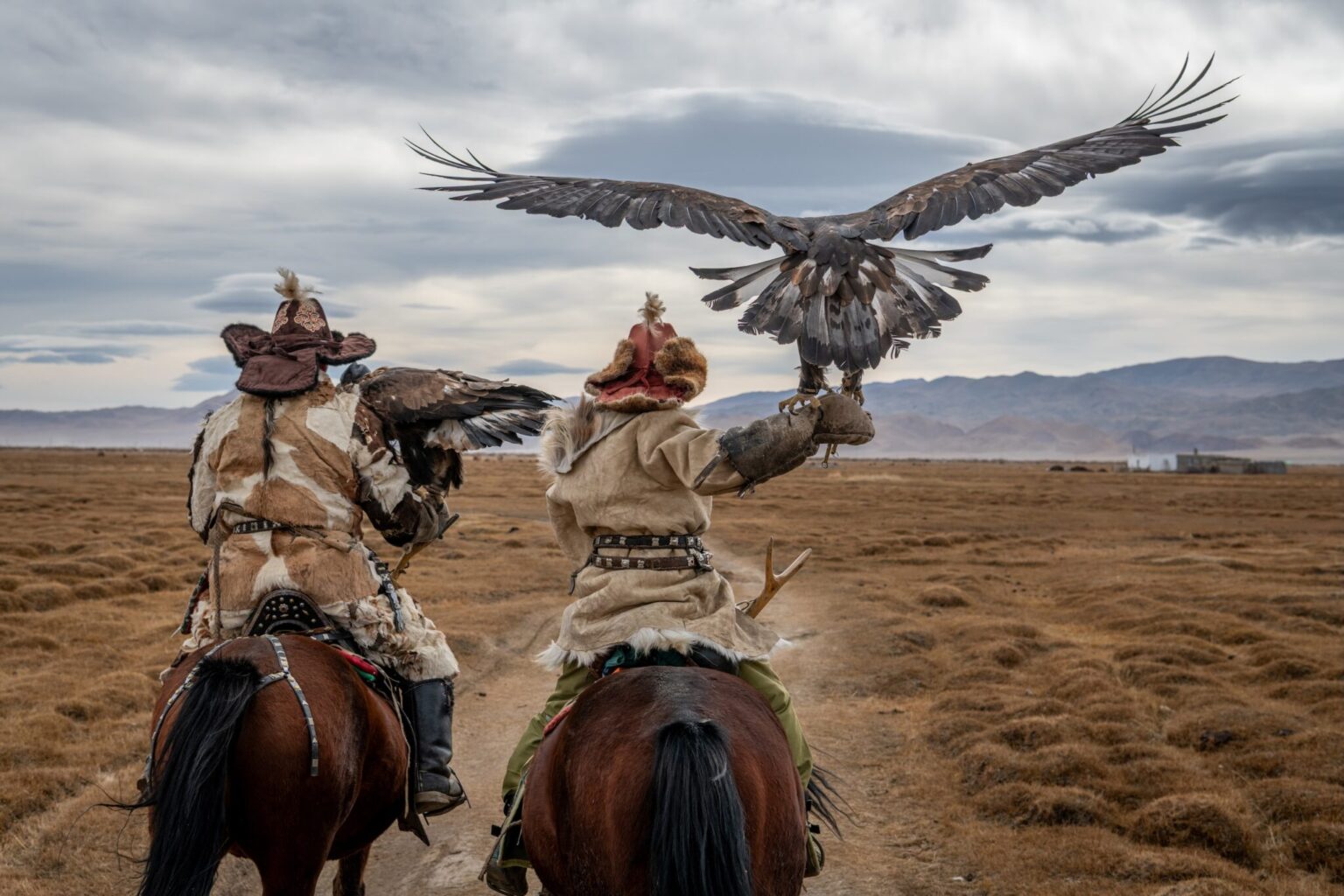
The collection includes intimate portraits of Kazakh herders and eagle hunters. Was it easy to gain the trust of those you were photographing?
My access to Kazakh families was thanks to my dear friend and local guide, Nur Shuakh, who introduced me to the communities I now photograph. I was welcomed with remarkable warmth, and over the years I’ve returned many times ¬– sharing meals, daily routines, and long stretches of time simply being together. I always prioritise building relationships before taking photographs, and I never encountered reluctance – once trust was established, the families embraced the project with pride. Showing them the images has been one of the most meaningful parts of the process, and I can’t wait to return this year to give each family a copy of the book.
Before this latest project, you spent three years covering war and humanitarian crises in Iraq. Did the experience change your outlook and consequent work in Mongolia?
My years in Iraq profoundly shaped how I see the world and inevitably influenced my work in Mongolia. After witnessing so much suffering, violence, loss and displacement, I found myself drawn to stories rooted in resilience, community and everyday life. In the Altai, I became more attuned to quiet moments – small gestures of care, the rhythm of daily routines, the intimacy of family life. Photographing in Mongolia allowed me to slow down, reconnect with gentleness, and shift my focus from urgency to presence. It didn’t erase what I experienced in Iraq, but it helped me find balance and a different kind of meaning in my work.
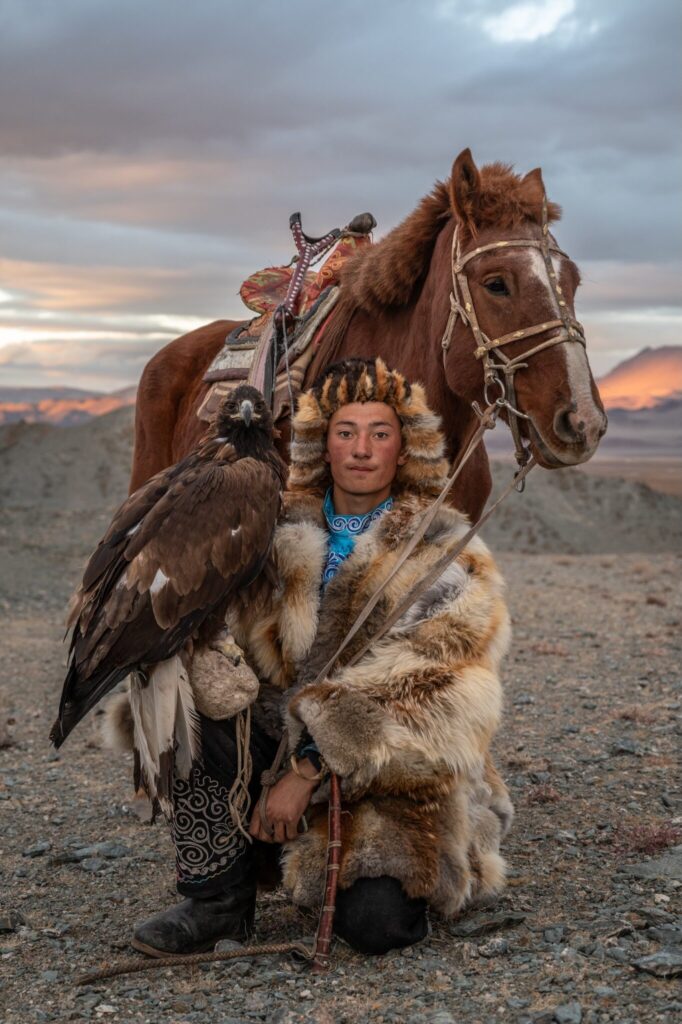
What can we learn from Indigenous communities such as the Kazakh people?
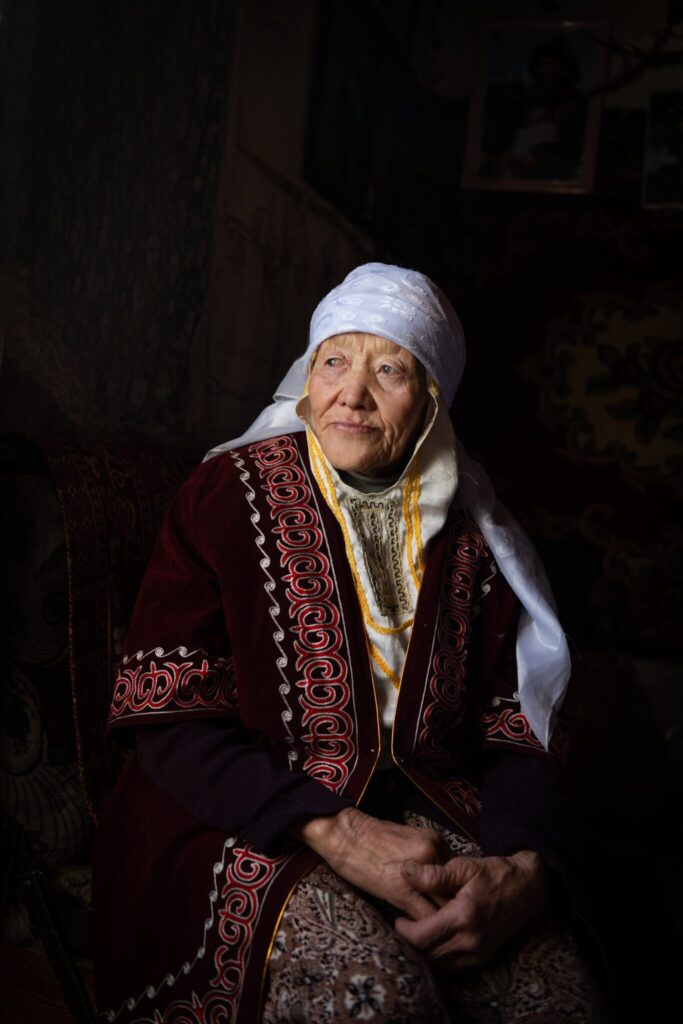
Kazakh herders have an extraordinary ability to live in rhythm with their environment. From them, we can learn resilience, resourcefulness and a deep respect for nature. Their way of life is built on interdependence – with the land, their animals and one another.
Altai: Hunters and Herders of Mongolia by Claire Thomas is published in hardback by Hemeria, price £45. Pre-order the book via hemeria.com and see more of Claire’s work here.