
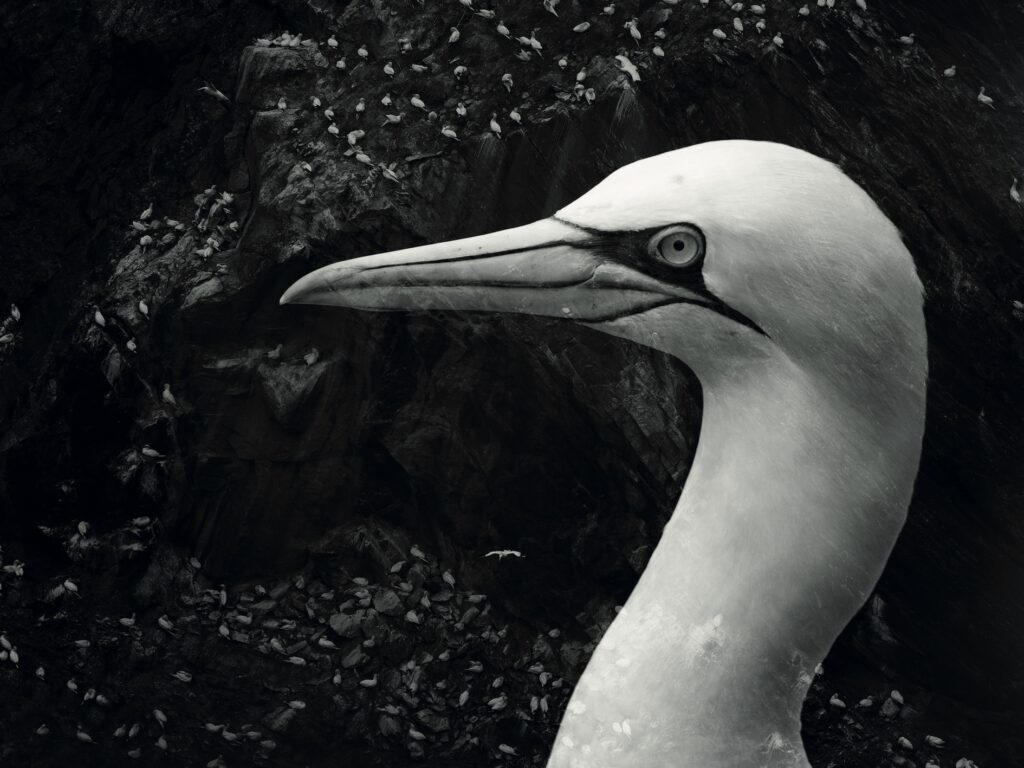
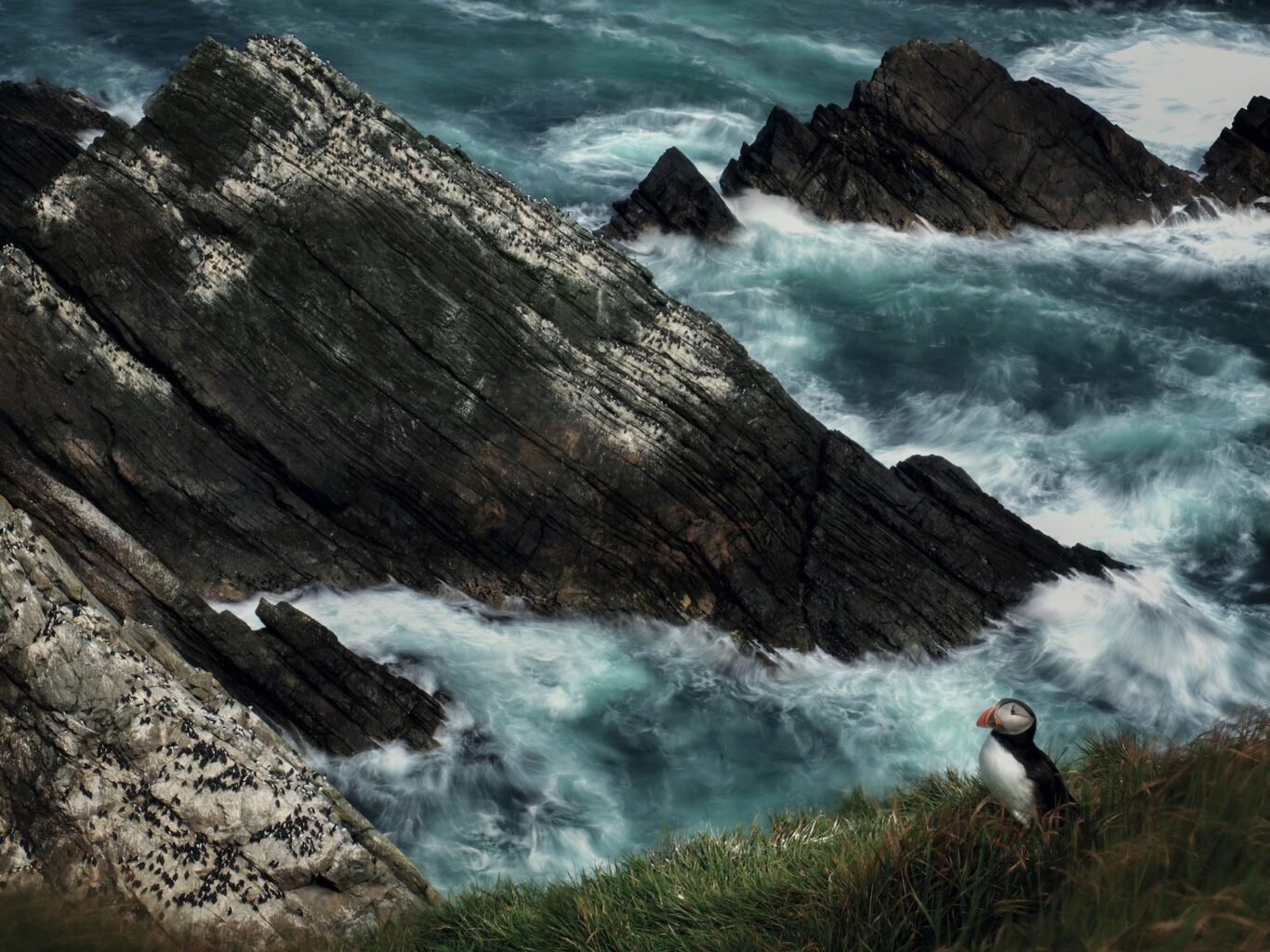
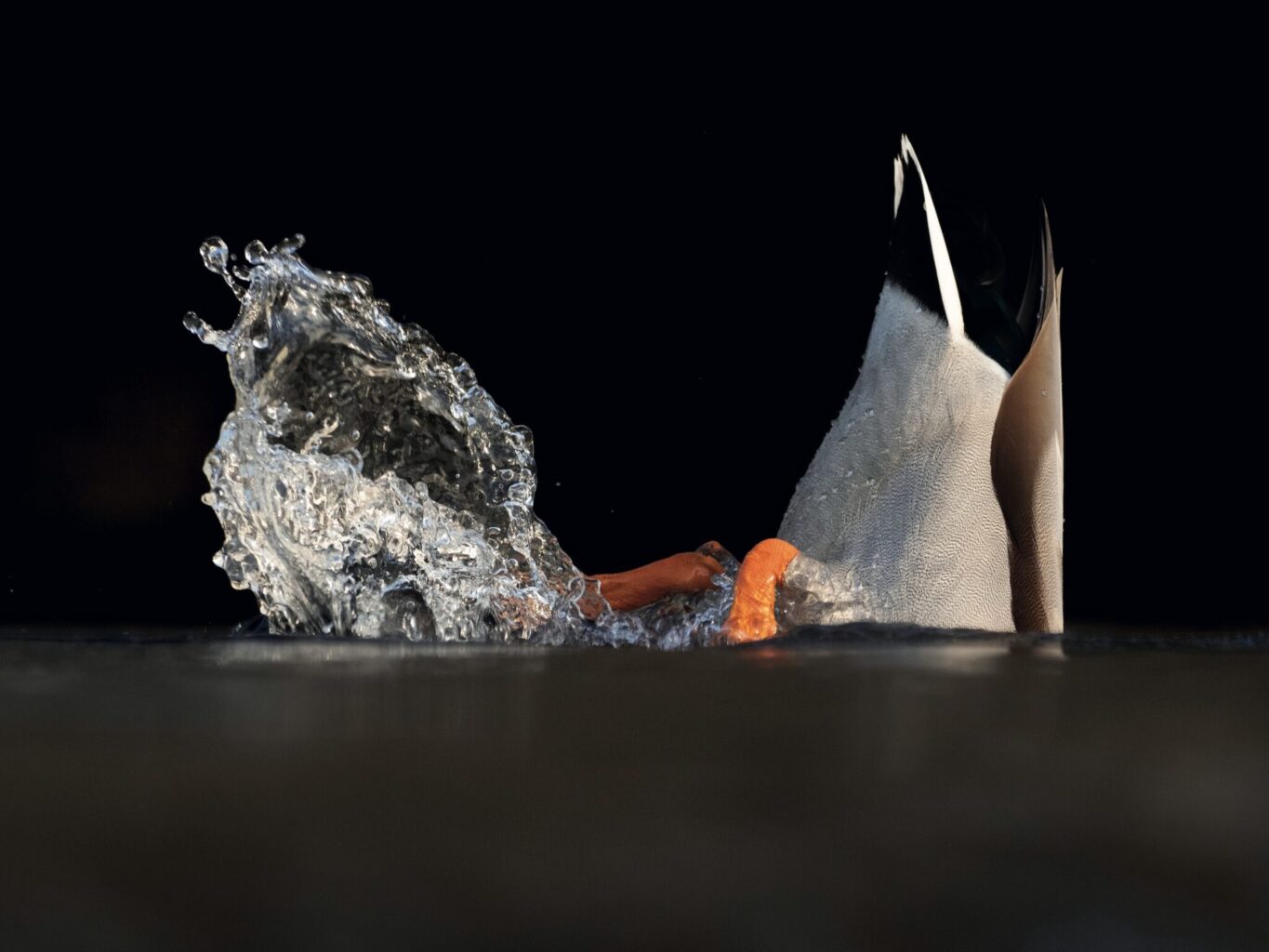
Wildlife photography is rarely as simple as just photographing what you see. As with any genre, there are many different styles and approaches, but it’s up to the photographer to find their own unique spin to make their images distinctive. Personally, I’ve always been drawn towards the ‘arty farty’, a term I use more often than I care to admit. Essentially, it’s attempting to use the camera to create something a little more abstract.
This style will always be Marmite: some loathe it with the intensity of fire, some are rather fond of it, and a handful sit in the middle. However, it’s important to capture images that you as the photographer are passionate about and enjoy. I also find that it can extend the shooting time, as I tend to do it more when the light has passed its peak.
Tesni’s top tips for creative wildlife success
1 Don’t be afraid to fail. While attempting these styles, you will take a lot of bad images. Don’t let this put you off, as there will be a diamond in the rough, and you’ll learn what works as you go along.
2 Use the ‘wrong’ settings. The worst-case scenario is you don’t like the results, and you delete them. On the flip side, you might create something awesome.
3 Let your images breathe. When experimenting with quirky styles and effects, it can take some time before you start to see the potential. Set the images aside and don’t review or edit them for a few weeks so you can look at them with fresh eyes.
4 Use the elements to your advantage. We don’t always get much time to head out with the camera, so if the conditions aren’t optimal for what you’ve set out for or the light starts to fade, this is a great opportunity to experiment.
5 If you’re keen to experiment with ICM and slow shutter speeds, a red dot sight can make your life much easier when it comes to panning smoothly with your subject.
6 Use a custom mode. If you regularly use alternative techniques, it’s worth setting up custom modes for quick and easy access, be it for slow shutter speeds or multiple exposures.
7 Spot metering isn’t always optimal. It’s almost always advised that people should use spot metering for high or low-key images, but I’d argue they’re too temperamental. Centre-weighted metering is often the best middle ground.
8 To truly get to grips with how different settings and images will work, testing them in controlled circumstances can give you more confidence once you’re out in the field, especially with multiple exposures and shutter speeds.
9 Check for dust spots. If you’re opting for shutter-priority mode for some ICM, the aperture can go a little bonkers (think f/22). This in general doesn’t matter, but if you have dust spots on your sensor they will show up in the most obnoxious way, so make sure the sensor is clear.
10 Plan your shots in advance. Think about which subjects or scenarios will work best for each style to prepare yourself – a sitting frog won’t do so well with ICM, but a running stag will.
Read Tesni’s full six-page article in OP 327 and see more of her work here.