
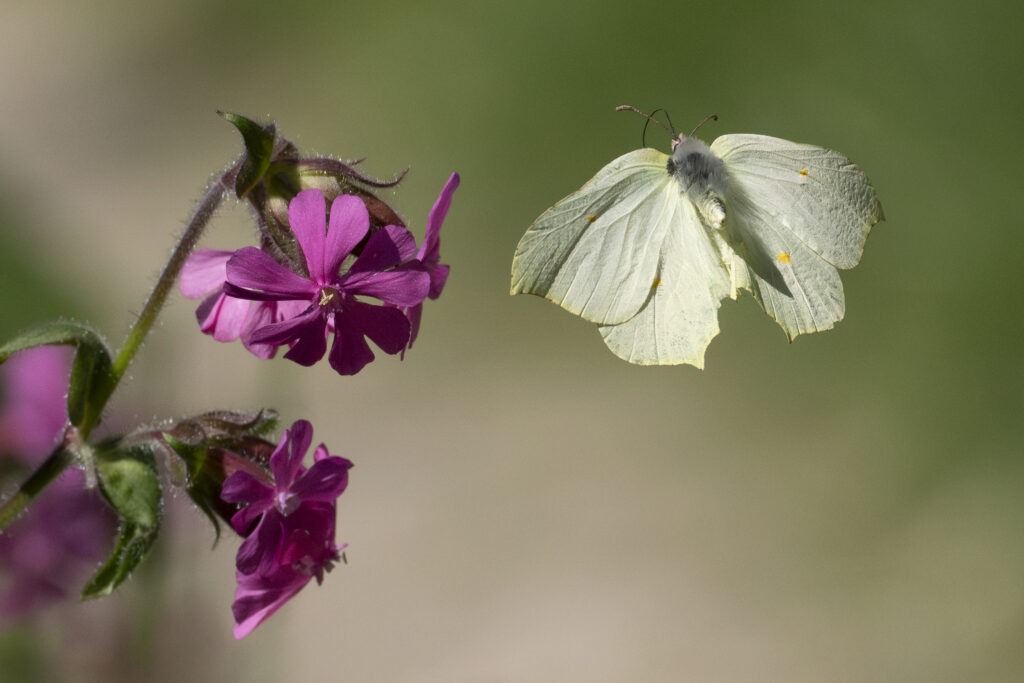
The natural world shifts up a gear in spring. Dormant landscapes give way to fresh growth, birdsong returns and a wide range of animals re-emerge after the relative quiet of winter. For photographers, this brings an abundance of opportunities, but also distinct challenges. Spring subjects are often highly mobile, behaviour changes rapidly, and habitats can feel visually chaotic as vegetation explodes into life. The lengthening days also mean that light can become surprisingly harsh by mid-morning on clear days, which affects both exposure and compositional choices.
Ethical considerations become increasingly important at this time of year too, as many species enter sensitive breeding phases. Yet it is precisely these challenges that make spring so rewarding. For me, it is a season defined less by appearance than by behaviour, fleeting moments, repeated patterns and interactions between species and their environments.
Understanding why animals and plants behave as they do at this time of year can dramatically improve both your hit rate and the narrative power of your images. With sound fieldcraft and a willingness to work patiently and thoughtfully, spring offers some of the most compelling photographic opportunities of the year.
Andrew’s 10 tips for spring flora and fauna success
1 Let temperature dictate subject choice.
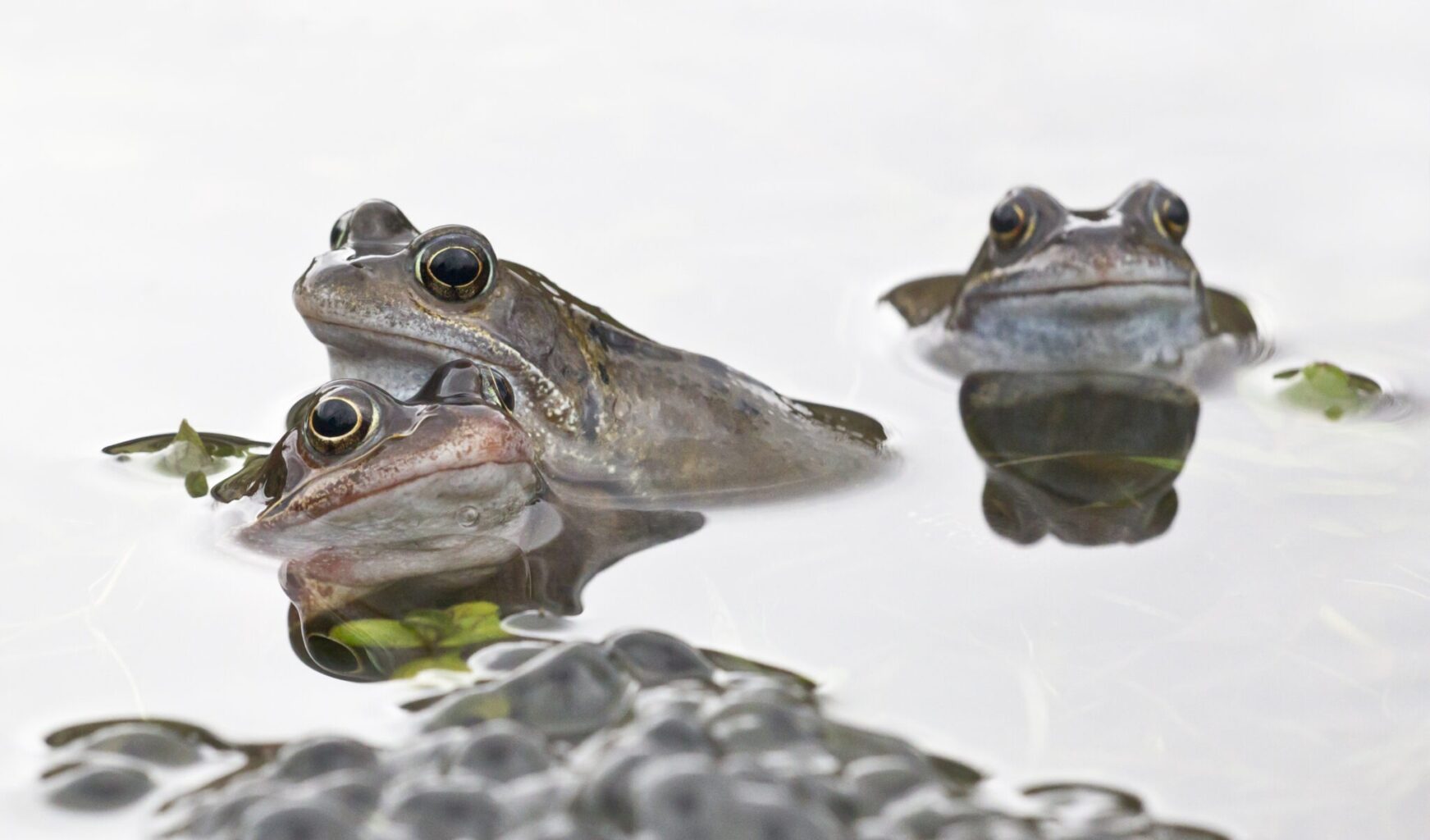
A slightly overcast but warm morning can be excellent for photographing quietly basking reptiles.
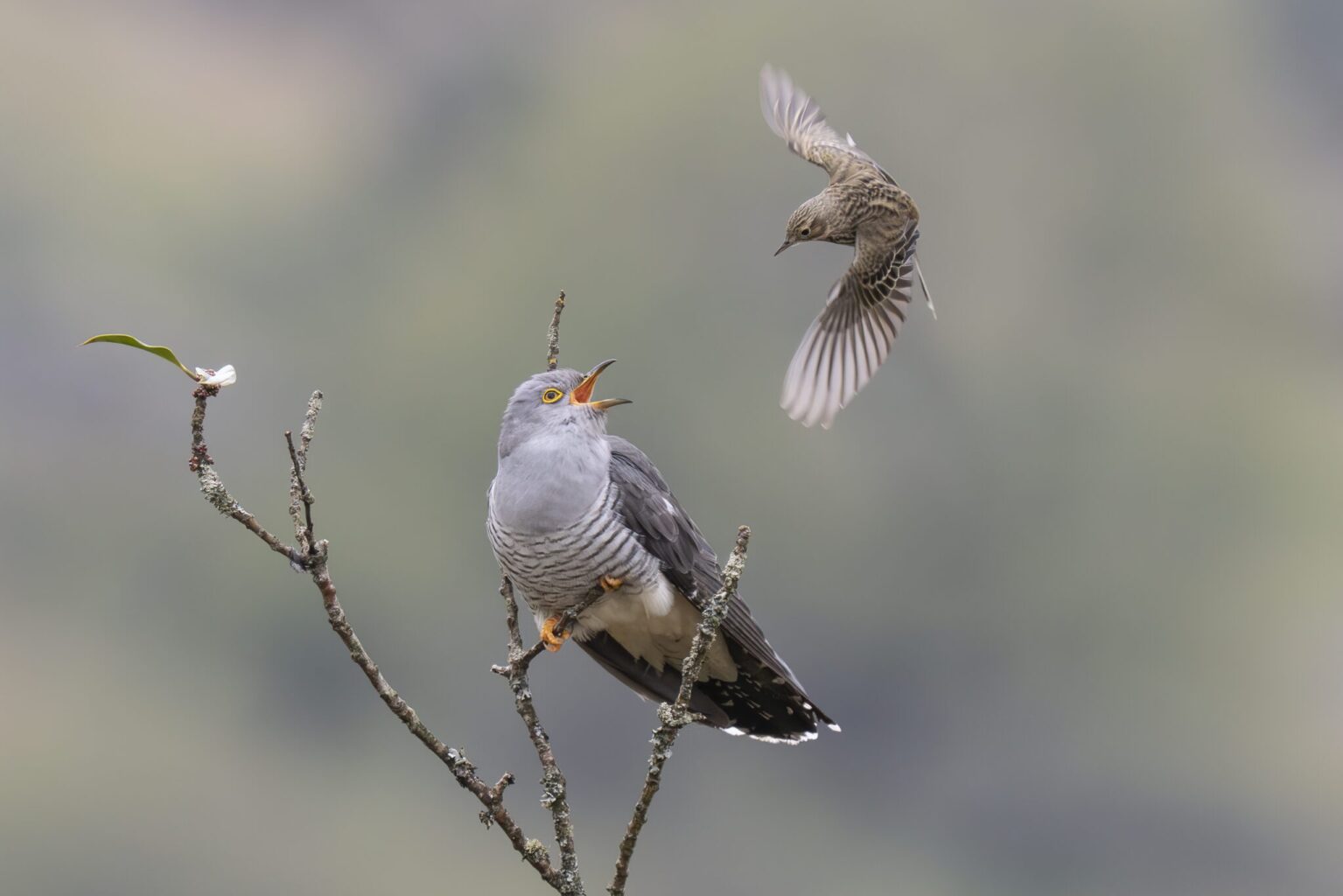
2 A photograph that shows behaviour will almost always be stronger, more engaging and more informative than a tighter shot of a static subject doing very little.
3 Work chronologically with the season. Target species such as amphibians and reptiles early in spring, then move on to the later-emerging subjects as the season develops.
4 Early mornings are often best. An early start gives better light, calmer subjects and dew-covered insects.
5 Stay low, then go lower. A low viewpoint creates a sense of intimacy and improves background control.
6 When the light turns harsh, think silhouettes or monochrome and prioritise compositional simplicity.
7 Simplify relentlessly as vegetation increases. Busy backgrounds quickly undermine otherwise strong images.
8 Knowledge and practice are key to success. The more you understand your subject, the more consistent your results will be.
9 Research your subject and potential sites at home. Time spent making sure you know where to go – including directions and parking locations – and what to expect when you get there will save hours of frustrating wandering.
10 Ethics always come first. The welfare of the subject must always outweigh the image.
Read Andrew’s full, in-depth article in OP 328, and see more of Andrew’s work here.