
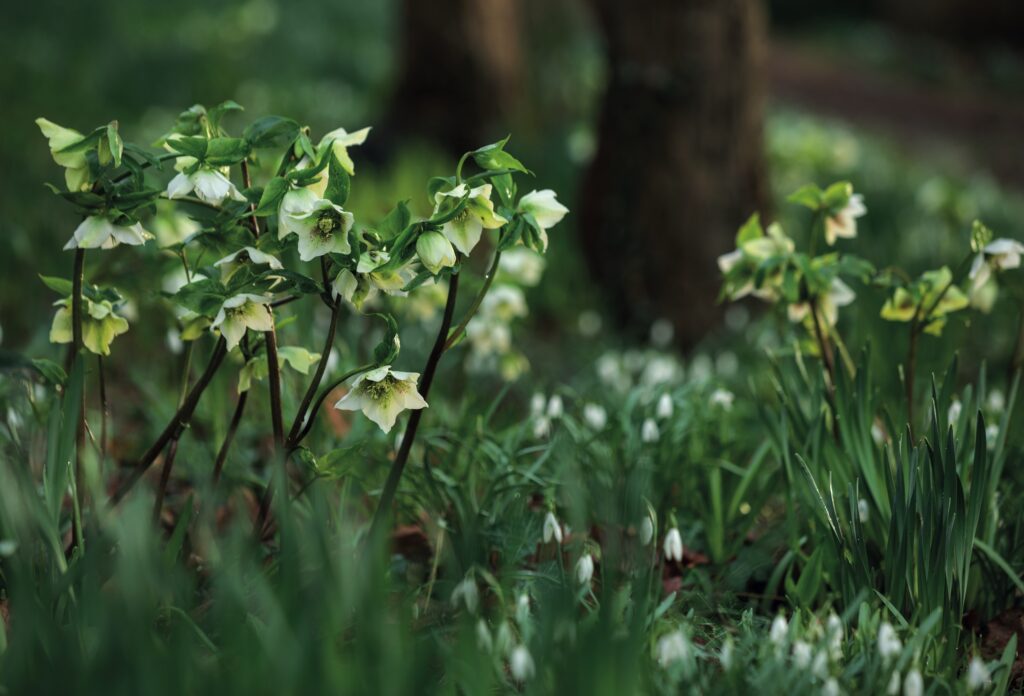
Gardening, in the UK at least, follows a well-defined annual cycle. The emergence of new growth in spring accelerates towards a climax of summer abundance which, with thoughtful planting, can continue deep into autumn when the yellowing of leaves adds warmth to the colour palette. Then there is winter, the big dark, the end of the show… except perhaps not.
There is certainly a different vibe to the garden in winter, but it is not without its beauty. With far fewer leaves and flowers, it may require a bit more work and a bit of lateral thinking to capture successful images, but finding the subtle colours, textures and structure of the garden can be all the more rewarding for the challenges overcome.
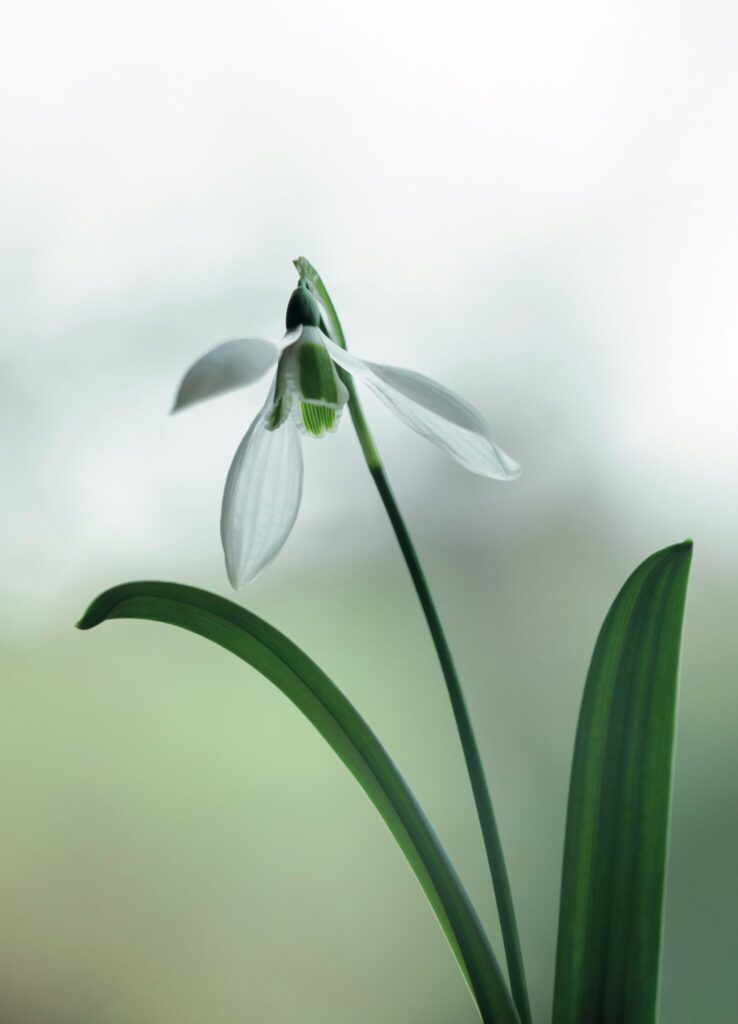
James’s 10 tips for winter garden success
1 To find winter gardens open to the public, consult the RHS website. The Sir Harold Hillier Gardens in Hampshire are good, as is Harlow Carr in Yorkshire.
2 The National Garden Scheme is a good way to visit private gardens and make contact with owners who may let you photograph their gardens in winter.
3 Look for gardens with good structure such as clipped hedges and topiary, ornamental grasses and shapely seed heads.
4 If frost is forecast, visit early before it melts.
5 Make sure you are warm and have good gloves, as it’s a shame to leave early due to personal discomfort.
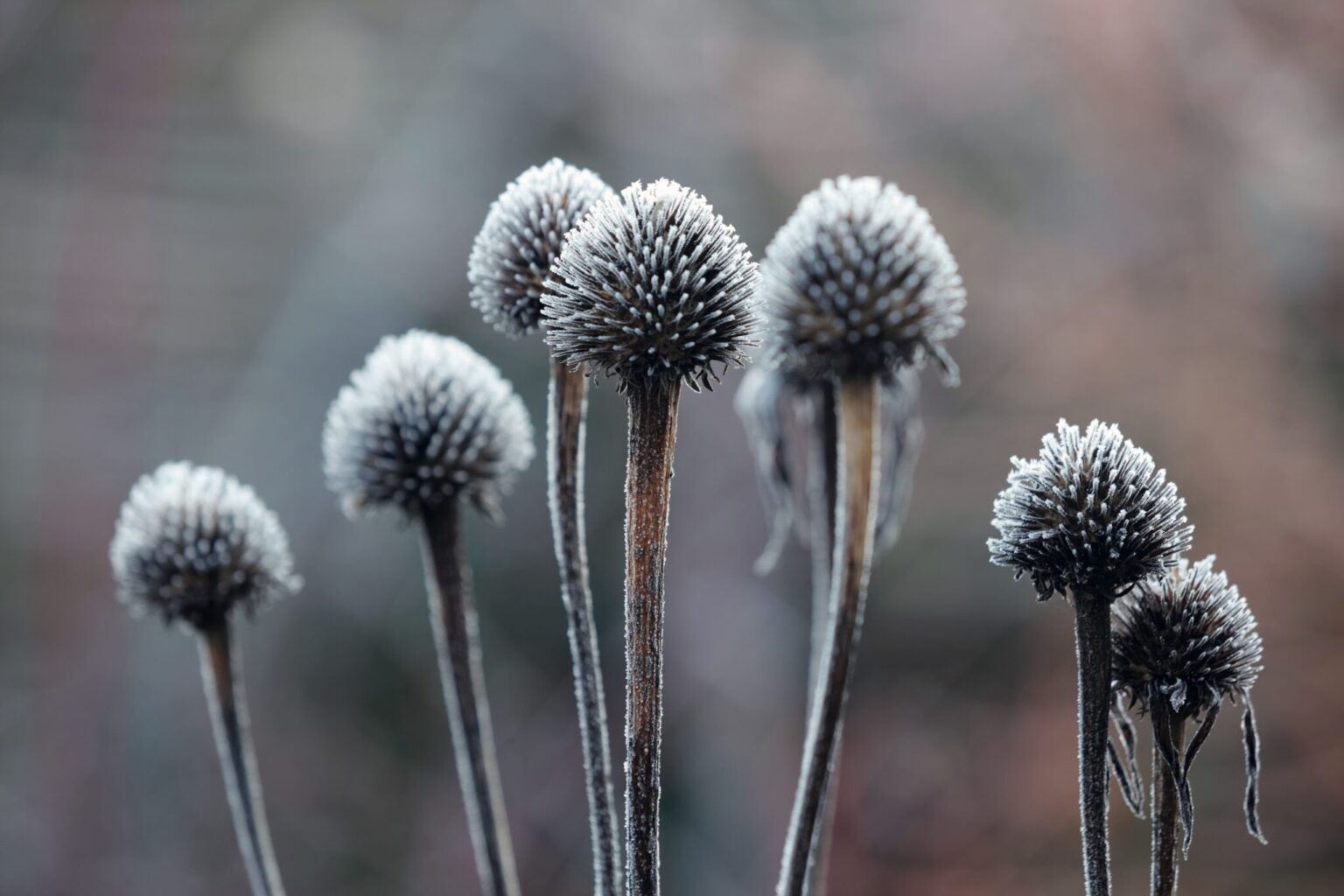
6 Get down to the level of the plants you are photographing and lie on the ground if necessary.
7 Rest your camera on your bag, or on a separate bean bag if your tripod can’t be positioned low enough.
8 By using a wide aperture, you can shoot through foreground plants to focus on distant plants. The blur of the foreground plants can help with your composition.
9 A pop-up reflector can be useful to bounce light back into the shadows if the lighting is too harsh.
10 Look for good specimens that stand apart from the plants around them, as they will be easier to isolate for a cleaner composition.

Read James’s full six-page article in OP 326 and see more of his work here.